

When air is compressed, the process concentrates the moisture naturally present in the atmosphere, resulting in a compressed air stream that can be damaging to moisture-sensitive downstream equipment. Air dryers are used to remove that moisture and safeguard your system. Columbus Compressor offers solutions ranging from standard refrigerated air dryers — which achieve dew points of approximately 45°F — to advanced desiccant models capable of reaching dew points as low as -100°F, ensuring the right level of moisture control for your specific application.
Showing all 5 results
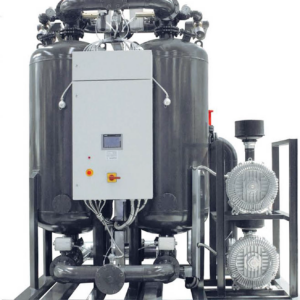
MBL Series
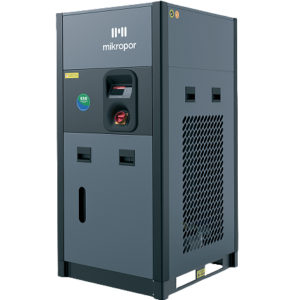
MCY Series
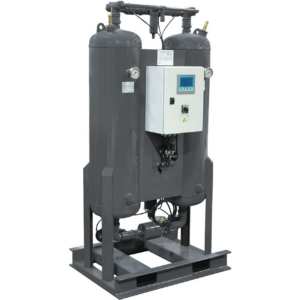
MHL Series
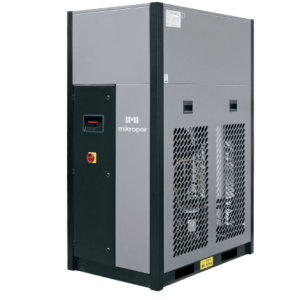
MK Series
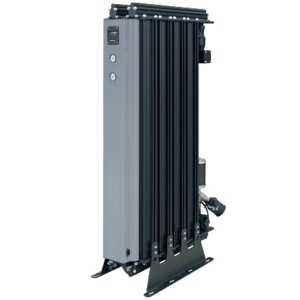
MMD Series
Frequently Asked Questions About Compressed Air Dryers
Downstream equipment is typically sensitive to moisture in all its forms. Whether it's sophisticated robotics, pneumatic control valves, or simple conveying systems, introducing water into these components can significantly shorten their service life — making an air dryer an essential part of any well-designed compressed air system.
Refrigerated air dryers work by passing compressed air through a refrigeration circuit, cooling it to condense and remove moisture. Desiccant dryers, on the other hand, utilize absorbent material housed in towers — alternating between the two to purge accumulated moisture from one tower while maintaining continuous, consistent drying on the other, achieving a significantly deeper dew point.
The right choice depends on your application requirements. Refrigerated dryers are well-suited for most general industrial uses, while desiccant air dryers are the appropriate solution for medical applications, outdoor piping in cold climates, or any process that demands extremely dry air.
The typical service life of a refrigerated air dryer ranges from 5 to 10 years, with desiccant models generally offering greater longevity due to their more robust construction and serviceable components. That said, with proper care, dryers can far outlast that benchmark — in fact, our team still services units that are 15+ years old.
Equipment manufacturers will often specify an air purity class requirement without much further explanation, leaving many customers uncertain about what that means in practical terms. That's where our technical expertise comes in. Our team has the knowledge and experience to interpret those specifications and engineer the right combination of filtration and drying systems to ensure your compressed air meets the required quality standards — taking the guesswork out of a critical part of your operation.